Why is My Home’s Water Pressure Low?
Common Causes & Fixes for Low Water Pressure
A weak shower trickle or a kitchen tap that takes ages to fill is incredibly frustrating. When water pressure problems hit, it’s easy to assume the worst, but the fix might be simpler than you think.
Finding the culprit comes down to a quick process of elimination. Before diving into repairs, check whether the drop is isolated to a single tap, affecting only your hot water, or choking the entire house. Pinpointing exactly where the flow cuts out is the fastest way to track down the cause of your water pressure issues.

Firstly, Work Out Where the Flow & Pressure Drop Occurs
Before worrying about underground pipes or calling in the experts, you just need to do a quick bit of troubleshooting. Low water pressure always leaves a trail, and tracking it down is as simple as checking a few different taps around your home.
Run a quick test by turning on multiple taps and asking yourself these three questions:
🤔 Is it Just One Tap or Showerhead? Check for Faulty Fixtures
Go around your home and test different water outlets. If your kitchen mixer has a pathetic stream but your bathroom basin and laundry taps are gushing normally, the issue isn't your main water supply. The problem is completely isolated to that one specific fixture or the pipework directly feeding it.
🤔 Is it the Whole House? The Water Meter Valve Check
Turn your cold tap on fully and check the flow. Now, turn it off and blast the hot water. If the cold water shoots out with plenty of force but the hot water drops to a miserable trickle, you can immediately rule out a main water line issue. This tells you the bottleneck is happening inside or right next to your hot water system.
🤔 Is it Only Low Hot Water Pressure?
If both hot and cold water are running weak at the front kitchen tap, the back shower, and the garden hose outside, you have a whole-house pressure drop. This means the restriction is happening somewhere at the very start of your property's plumbing setup, or the issue is out on the street with the main council supply.
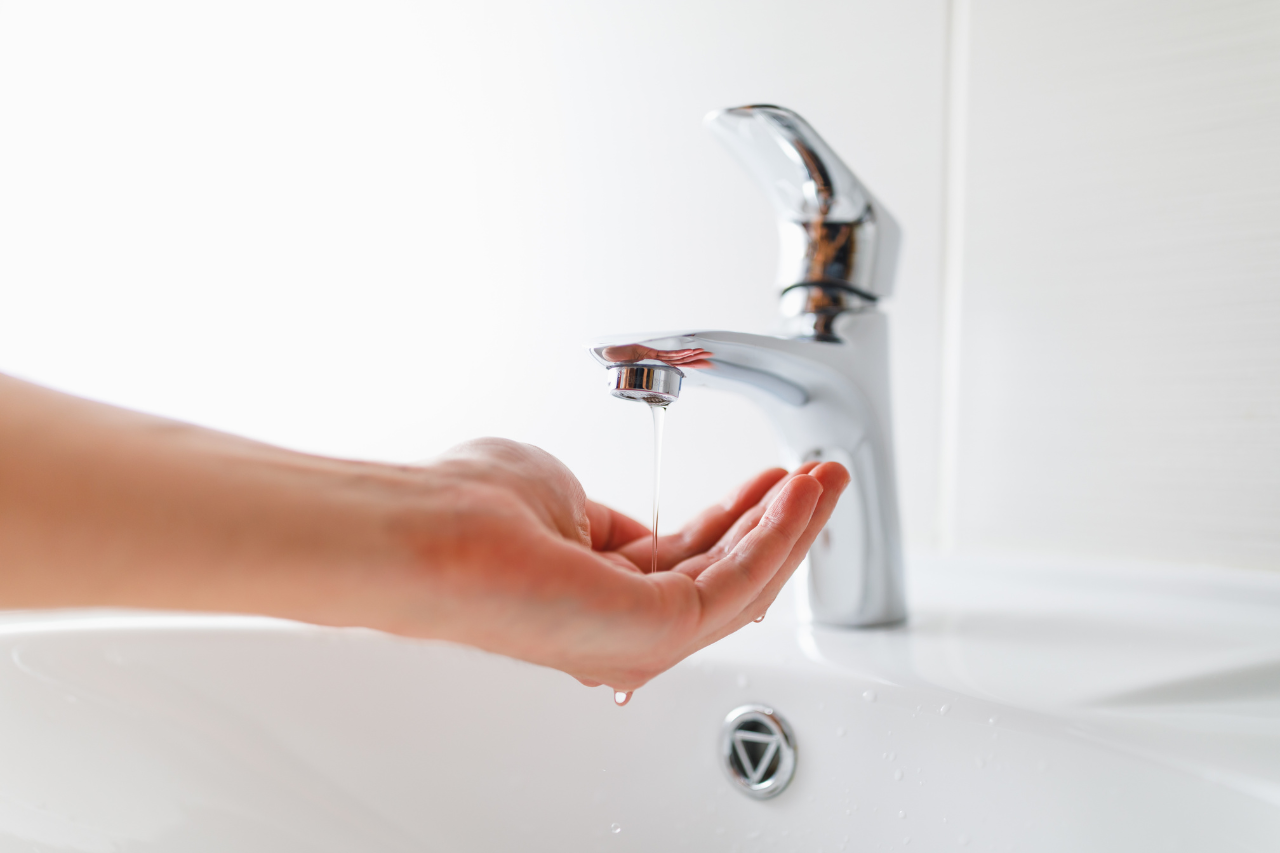
The Most Common Reasons for a Whole-House Pressure Drop
If your entire home has lost pressure, the bottleneck is sitting right at the main source of your plumbing system. It usually comes down to one of three structural issues:
1. A Partially Closed Main Water Valve
Check this first because it costs nothing to fix. Your main shut-off valve is out by your street water meter. If you've recently had plumbing work or street utility crews nearby, they may have turned your water back on only halfway. Even a slight twist away from "fully open" will choke the pressure to your entire property.
2. A Faulty Pressure Regulator (PLV)
Many homes have a Pressure Limiting Valve (PLV) near the meter to cap high water pressure down to a safe 500 kPa. The internal springs in these valves wear out over time. When a PLV fails, it often gets stuck in a restricted position, completely choking your water flow. A plumber can easily check this by hooking up a pressure gauge to your system.
3. Mineral Buildup & Corroded Pipes
If you live in an older home, your main lines might be galvanised iron water pipes. Over decades, these pipes rust from the inside out, creating a scaly buildup that narrows the pipe. It’s a lot like a blocked straw—the council sends plenty of water, but your rusted pipes just can't handle the volume anymore.
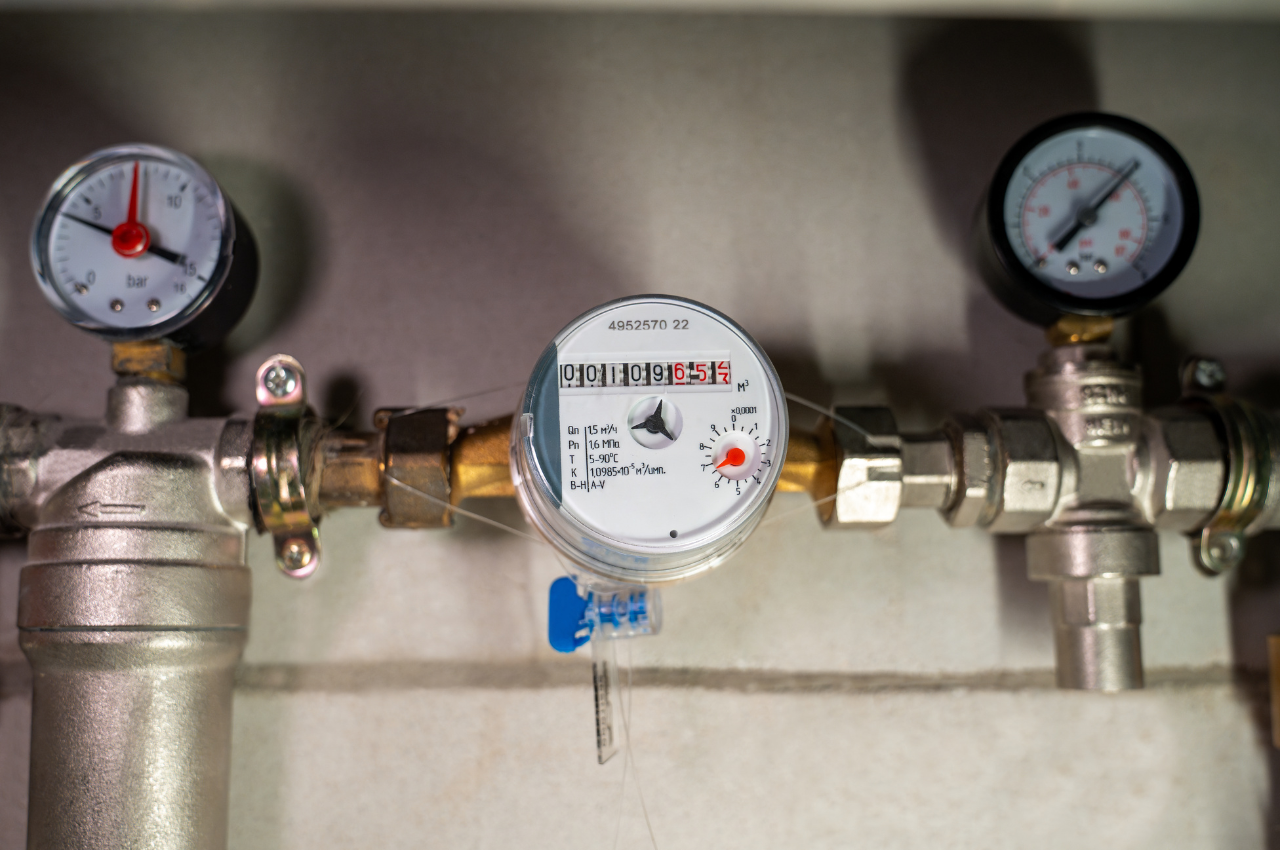
How to Check Your Water Meter & Property for a Hidden Water Leak
A sudden drop in pressure across your entire home could mean water is escaping before it ever reaches your taps. If you suspect a hidden pipe burst, you can confirm it yourself in a few easy steps using a simple DIY water meter test:
Step 1️⃣: Turn Everything Off
Turn off every single tap, shower, and water-using appliance on your property. Make sure the washing machine and dishwasher aren't running.
Step 2️⃣: Find Your Water Meter
Head out to your street boundary and locate your water meter. Take a quick photo of the numbers on the dial; make sure you get the red digits, as those are the ones tracking litres.
Step 3️⃣: Take a Break
Do not use any water for one to two hours.
Step 4️⃣: Recheck the Meter
Check the meter again. If the numbers have jumped—or the small dial is visibly spinning while everything inside is turned off—you have a concealed water leak drawing pressure away from your home.
When the Problem Lies with Your Water Supplier & Network
If your DIY meter test doesn't show a leak, the issue likely sits with your local water authority. Council networks can experience unexpected pressure drops due to bursts in the street mains, peak-hour surges, or planned maintenance in your neighborhood.
Before you call a plumber, jump online to check your provider’s outages and works page or give their emergency line a call. If there’s an outage or a major break nearby, all you can do is wait for their crews to get the water flowing again.
Still Stucĸ with Low Pressure? Let Our Plumbing Pros Handle It
Chasing down a drop in water pressure on your own can be a massive headache. If you’ve checked your main valve, looked for street outages, and your taps are still trickling, it’s time to call in a professional.
You shouldn't have to put up with weak showers and slow appliances. Whether you've got a hidden pipe burst, a broken Pressure Limiting Valve, or old galvanised lines that need replacing, a local plumber can find the problem and get your pressure sorted.
Want your water pressure back to normal? Give our team a call on 02 9191 7309 or fill out our enquiry form today.